Sunday, 12 June 2016

BOATS.


46 FOOT LIFEBOAT JESSE LUMB.
 
This lifeboat was in service at Bembridge, Isle of Wight, throughout the second world war and rescued several ditched RAF airmen. Crew-eight. Construction-double skin of mahogany, diagonally planked, with calico white lead between the skins. Engines- two Parsons Barracuda diesel engines developing 65 BHP at 1,600rpm. Maximum speed- 8.8 knots. Length- 46 feet. Beam- 12 foot 8 inch. Displacement- 20.5 tons.
 
~~~~<<<<>>>>~~~~


THE OLD TURK.
 
I photographed this magnificent ship in Whitby, England.
 
~~~~<<<<>>>>~~~~


FISHING BOAT ENTERING BRIDLINGTON  HARBOUR.
 
 
~~~~<<<<>>>>~~~~


PLEASURE BOAT LEAVING BRIDLINGTON HARBOUR WITH TOURISTS ON BOARD.
 
 
~~~~<<<<>>>>~~~~


FISHING VESSEL AWAITING THE TIDE TO RETURN.
 
 
~~~~<<<<>>>>~~~~


BOAT THAT HAS BEEN REPAINTED AND HAD MAINTAINANCE CARRIED OUT BEFORE RETURNING TO THE SEA.
 
 
~~~~<<<<>>>>~~~~


PLEASURE BOAT OUT AT SEA.
 
 
~~~~<<<<>>>>~~~~


BOATS AT ANCHOR---TIDES GONE OUT.
 
 
~~~~<<<<>>>>~~~~


Monday, 6 June 2016

WAKEFIELD BRIDGE and CHANTRY CHAPEL.


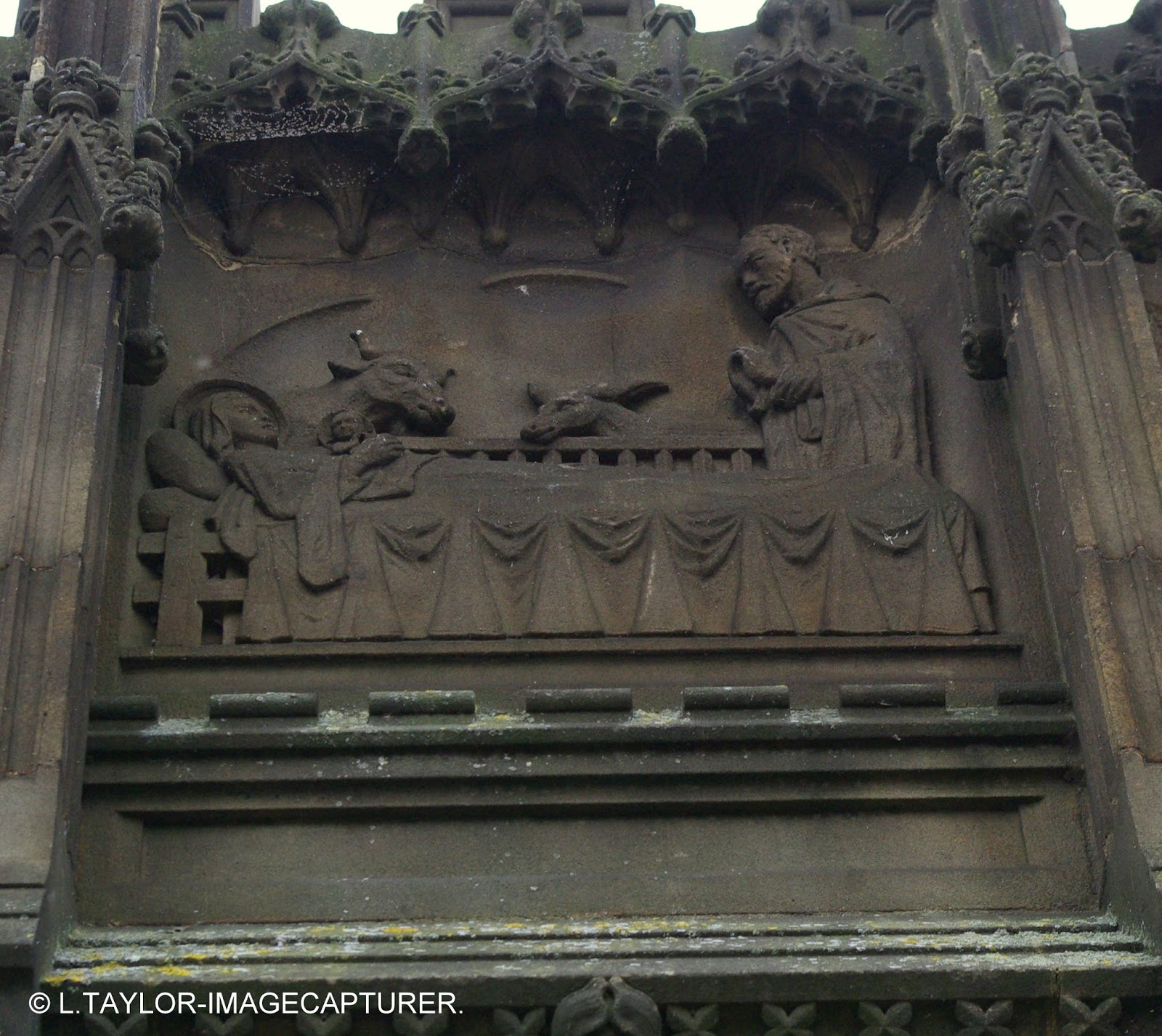
This stone bridge, built soon after 1342, replaced an earlier bridge over the river Calder. The packhorse bridge was added in 1730. The chantry chapel of St Mary, built between 1342 and 1356 is one of only four bridge chapels still surviving in England. It was restored in 1847 and more recently. It is a scheduled ancient monument and a grade one listed building. The original stonework can be seen at the base, although the upper part, including the west front, was rebuilt in 1847-8. The friends of Wakefield Chantry Chapel, established in 1990 in collaboration with the Civic Society, exist to ensure the chapel is kept in good repair and is made available to visitors. In 1995 major roof repairs were carried out, and the building was re-wired and new lighting and heating systems were installed. Recently the interior has undergone substantial reordering with the removal of pew platforms, a new stone floor and new seating.


Label stop.

Label stop.

THE FOLLOWING LAST FIVE PHOTOS SHOW THE CARVINGS ON THE FRONT OF THE CHAPEL.


~~~~<<<<>>>>~~~~


Friday, 27 May 2016

MILITARY VEHICLES # 3.


HAGGLUND and SONER  BV 202  OVER SNOW.

Tracked light transport.

Once the British took over its Nato role of northern flank defence of Norway it selected this fully tracked and articulated Swedish vehicle for its over snow performance. Since its introduction into British service in the late 1960`s it has become an indispensable maid-of-all work load carrier. In service- 1968. Max speed- 39 km/h. Engine- Volvo 91 bhp type B18 petrol. Width- 5 feet 9 inch. Length- 20 feet 3 inch. Armament- A 7.62mm general purpose machine gun could be fitted but was not standard.

~~~~<<<<>>>>~~~~


RESTORED WAR-TIME RAF DENTAL UNIT.

~~~~<<<<>>>>~~~~


CROSSLEY FIRE TENDER.

The tender was equipped to deal with the special hazards created by aircraft fires, water alone was useless against the primary threat of burning fuel. The fire would, therefore, be attacked with carbon dioxide gas which would clear a path through the flames, to any trapped aircrew. The tenders main pump would prepare a mixture of Saponin, water and air which when sprayed as foam, would smother the flames. The Crossley`s five man crew would remain with their vehicle, strategically parked on an airfield, whilst flying was in progress.

~~~~<<<<>>>>~~~~


DODGE  WC - 62 WEAPONS CARRIER.

~~~~<<<<>>>>~~~~


DAIMLER FERRET SCOUT CAR.

First introduced in 1952 the Ferret relied on speed and agility rather than armour or armament to evade destruction. Over 4,000 were built by 1971 when production was complete. This scout car came into service with the British Army in July 1958 and was used until 1988.

~~~~<<<<>>>>~~~~


1943 DAIMLER ARMOURED CAR. MARK 1.

This vehicle is a mark 1 Daimler armoured car, it was used by the 7th armoured division of the Hussars Regiment and saw action in Northern Europe after the D - Day landings. The engine is a 4095cc straight six engine, uses a gallon of petrol every 4 miles, top speed- 41mph. The armour plating means the vehicle weighs up to 7 tons.

~~~~<<<<>>>>~~~~


RUSSIAN  T 34/85 MEDIUM TANK.

Designed in 1937, the T-34 was in production by 1939 and in service in 1940 and in action against the Germans when Hitler invaded Russia in June 1941.


~~~~<<<<>>>>~~~~


QUEEN MARY TRAILER.

The lowloader Queen Mary was a semi-trailer designed to be used to transport aircraft, and also to recover crashed aircraft parts for repairs. The tractor units used to tow the trailer tended to be a 6 cylinder Perkins or Ford, Bedford tractor unit or the standard 1939-40  Prime Mover.

~~~~<<<<>>>>~~~~


MEADOWS  27.5 KVA DIESEL ENGINE DRIVEN GENERATING SET.

Engine- Meadows 4DJ 420, 4 cylinder in-line 4 stroke water cooled vertical diesel engine. Bore- 5 1/8ins. Stroke- 5 1/8ins. Compression ratio- 16.1. RPM- 1500/1800 bhp at 1500rpm. Fuel consumption- 15 pints ( 1.9 gallons ) per hour at full load. Voltage- 415/240 volts. KVA- 27.5. Power factor-0.8. Phase current- 38 amperes. Weight- 5,712lbs approx.

~~~~<<<<>>>>~~~~


RUSSIAN ML-20  152mm HOWITZER.

During the second world war, the Soviet armies used artillery on a massive scale. The ML-20 was just one of the many gun designs produced by the Russians during the war. The ML-20 was so successful it became the standard 152mm weapon with the Warsaw Pact forces after the war.

~~~~<<<<>>>>~~~~


1960`s HUMBER PIG.

The Humber Pig was used by the British Army from the 1950s until the early 1990s. It also saw service with the Royal Ulster Constabulary ( RUC ) from the late 1950s until 1970, and became well known from its presence on the streets of Northern Ireland during the worst of the troubles.

~~~~<<<<>>>>~~~~


1968  ALVIS  STALWART.

The Stalwart was designed as an amphibious vehicle that could carry a five ton load over rough ground and through rivers. Top speed- on land 40 mph, in the water 5 knots.

~~~~<<<<>>>>~~~~


Sunday, 22 May 2016

AIRCRAFT # 5.


HAWKER SIDDELEY DOMINIE T. MK1  XS762 ( 9273M ).
 
Navigational Trainer.
 
 
Aircrew- two + students and instructor. Max speed- 500mph. Range- 1,700 miles. Service ceiling- 40,000 feet. Loaded weight- 21,200 lbs. Span- 47 feet. Length- 47 feet 5 inches. Height- 16 feet 6 inch. Armament- none. Power plant- two Bristol Siddeley Viper 522 turbojet engines, each rated at 1,500 kg static thrust.
 
~~~~<<<<>>>>~~~~


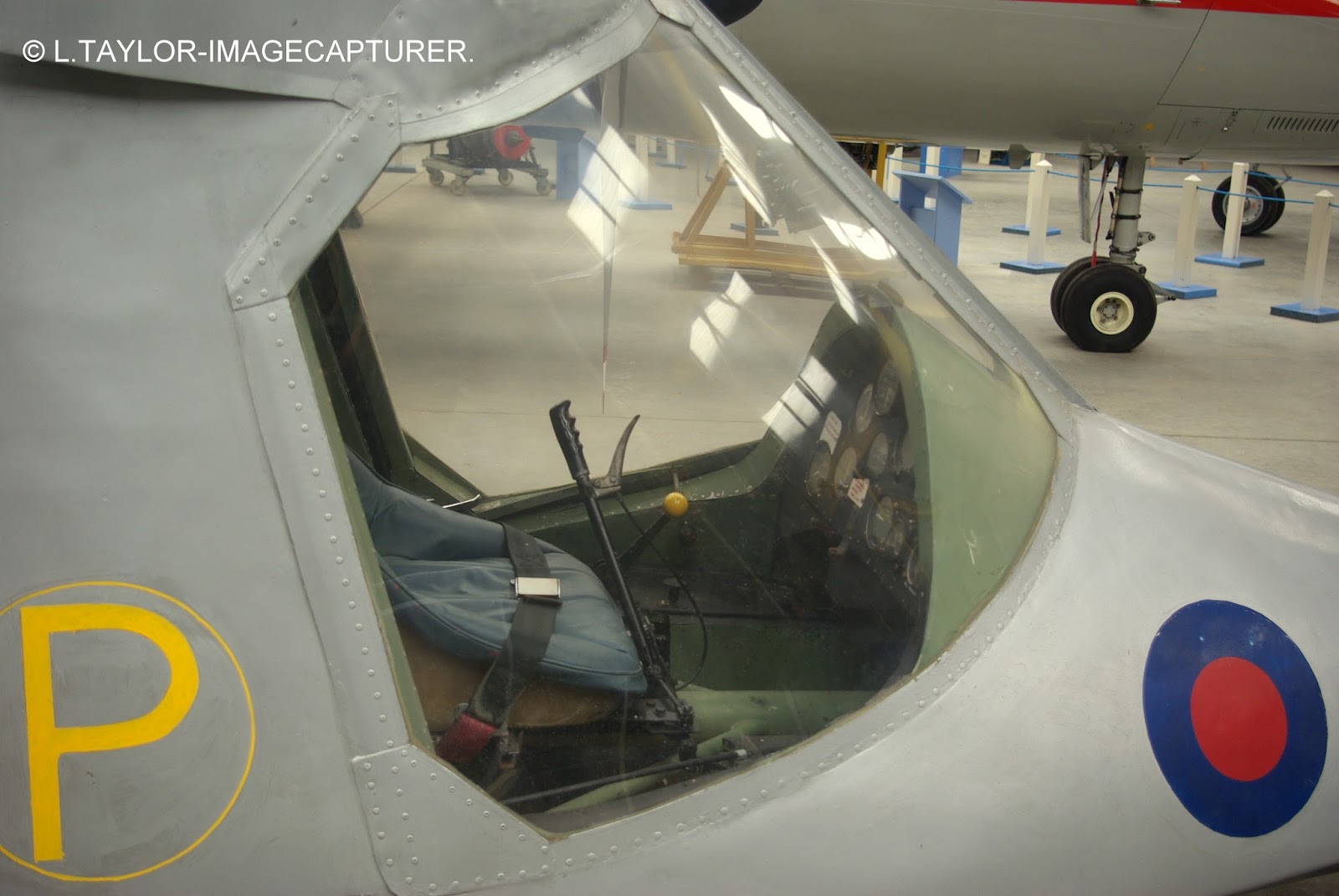
LUSCOMBE AIRCRAFT LTD. LUSCOMBE P.3 RATTLER  G - BKPG.
 
Prototype single seat ultra light general purpose aircraft.
 
Aircrew- one. Max speed- 115 mph. Range- 550 miles. Service ceiling- 15,ooo feet. Loaded weight- 1,500 lbs. Span- 36 feet. Length- 14 feet 6 inches. Height- 5 feet 2 inch. Armament- optional Mc Donnell Douglas 7.62mm chain gun or 2 inch rocket launchers. Power plant- one 63 kw ( 85 hp ) Limbach 2000 engine driving 2-blade fixed pitch or Hoffmann variable pitch pusher propeller.
 
~~~~<<<<>>>>~~~~


MIL  Mi - 24D  HIND.
 
Attack helicopter and troop carrier ( 3 crew/ 8 troops ) USSR, circa 1970.
 
Power plant- two Klimov ( izotov ) tv3-117 turboshaft engines rated at 2,225 shp max. Performance- max speed 208mph. Service ceiling- 14,750 feet. Range- 310 miles on internal fuel. Dimensions- Wing span 21 feet 5 inches, main rotor diameter 56 feet 9 inches. Height- 13 feet. Fuselage length 57 feet 5 inches. Weight- empty 18,078 lbs, max take off 26,455 lbs. Armament- one Jak-B remote controlled 12.7mm four barrel gatling type machine gun plus a wide range of weapons and stores on wing pylons.
 
~~~~<<<<>>>>~~~~


NORTH AMERICAN F86A SABRE  FU-242
Single seat fighter.
 
~~~~<<<<>>>>~~~~
 
 
MIKOYAN GURYEVICH MIG21  SPS ( FISHBED )
 
USSR  circa 1960.  Single seat fighter bomber.
 
Power plant- one Turmansky R -IIFS -300 turbojet rated at 14,500lbs thrust.. Max speed- 1,300mph. Service ceiling- 57,500 feet. Range- 1,100 miles. Armament- one centreline and four under wing pylons for a wide range of air to air or air to ground weapons.
 
~~~~<<<<>>>>~~~~


LOCKHEED STARFIGHTER  F104G  ( USA ).
Strike fighter.
Armament- 1 x 20mm M61 cannon, 4 x Aim - 9 AAM`S or up to 4000lbs of b~ombs / fuel. Power plant- 1 x General Electric J79 - 11A with re-heat ( afterburner unit ). Max speed- 1,450mph.
 
~~~~<<<<>>>>~~~~


LOCKHEED T33.
Two seat fast jet trainer.
 
Engine- one Allison J - 33 - 35 centrifugal turbojet. Max speed- 606mph. Range- 1,110 miles.


~~~~<<<<>>>>~~~~


HAWKER SIDDELEY DOMINIE  T.1.
 
The Dominie was the RAF name for the Hawker Siddeley HS125 series 2. It was originally designed by De Havilland as a small business airliner. It had space for two pilots and up to eight passengers and their bags.
 
~~~~<<<<>>>>~~~~


HAWKER SIDDELEY NIMROD  R.1.
 
The original design was based on the De Havilland Comet Airliner. In its maritime patrol form, Nimrod was equipped with a range of sensors including Sonar, Radar, Electronic support measures and Magnetic anomaly detection.
 
~~~~<<<<>>>>~~~~


HAWKER HIND.
 
Light bomber 1935 - 1943.
 
The Hind was the Royal Air Force`s last Biplane light bomber. A development of the Hart day - bomber, it was only supplied to the RAF as an interim type. This permitted the formation of a number of new bomber squadrons in the mid - thirties as the RAF was rapidly expanding to meet the growing threat of a second European war.
 
~~~~<<<<>>>>~~~~